Global Visa News for Pakistani Applicants (2026) | Latest Updates
Global Visa News for Pakistani Applicants (2026) | Latest Updates Stay updated with the latest global visa news for Pakistani applicants in 2026. Learn new visa rules, documents, fees, processing times, and travel updates.
VISA NEWS
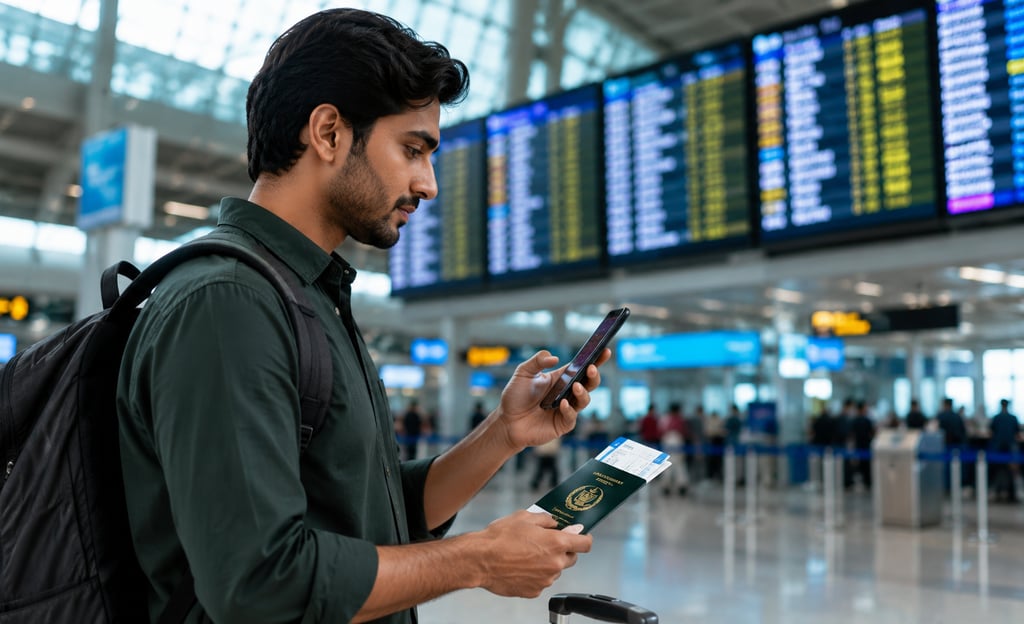
Global Visa News for Pakistani Applicants (2026): Latest Visa Updates, New Rules & Travel Changes
Introduction
Planning an international trip in 2026? Whether you want to travel for tourism, study, work, business, or family visits, staying informed about the latest visa rules is more important than ever. Many countries have introduced new visa policies, updated document requirements, expanded digital application systems, and revised entry procedures. These changes can directly affect Pakistani passport holders preparing to travel abroad.
The good news is that more countries are investing in online visa services, faster processing systems, and digital appointment management. At the same time, immigration authorities are paying closer attention to genuine travel intentions, financial stability, and document verification. As a result, submitting a complete and well-prepared application has become more important than simply meeting the basic requirements.
This guide explains the most important global visa developments for Pakistani applicants in 2026. Instead of focusing on a single country, it provides an overview of international visa trends, common requirements, and practical advice that can help you prepare stronger visa applications regardless of your destination.
Whether you are applying for your first visa or have travelled internationally before, understanding these updates can save time, reduce mistakes, and improve your chances of approval.
https://visaguidepk.net/spain-travel-guide-for-pakistanis-2026-or-visa-and-tips
Why Following Global Visa News Matters
Visa policies are not permanent. Governments regularly update immigration regulations based on security, tourism, labour market needs, diplomatic relations, and technological improvements.
For Pakistani travellers, keeping up with global visa news helps you:
Prepare documents according to the latest requirements.
Avoid submitting outdated application forms.
Plan travel around current processing times.
Understand new biometric or digital visa procedures.
Stay informed about changing financial requirements.
Reduce the chances of visa refusal due to missing information.
Even small policy changes can affect your application, making it essential to check the latest rules before applying.
Who Should Read This Guide?
This article is useful for almost every Pakistani planning international travel in 2026, including:
First-time visa applicants
Tourists planning vacations abroad
Students applying for overseas education
Professionals seeking work visas
Business owners attending international meetings
Families visiting relatives overseas
Frequent travellers monitoring global immigration changes
Travel agents and visa consultants looking for updated information
No matter which country you plan to visit, understanding current global visa trends can help you prepare a stronger application.
Major Global Visa Trends in 2026
Although every country has its own immigration laws, several international trends are shaping visa processing worldwide.
1. More Countries Are Expanding Online Visa Systems
Many governments now encourage applicants to complete most of the visa process online.
Digital improvements include:
Online application forms
Electronic document uploads
Digital appointment booking
Online payment systems
Email notifications
Electronic visa approvals for eligible travellers
These systems reduce paperwork while making applications easier to track.
2. Greater Focus on Document Verification
Immigration authorities are increasing efforts to verify applicant information.
Applicants should expect closer examination of:
Employment documents
Business registrations
Bank statements
Invitation letters
Hotel reservations
Flight bookings
Educational certificates
Civil documents
Providing genuine and consistent documents is now more important than ever.
3. Financial Stability Remains a Key Requirement
Many embassies continue to assess whether applicants have enough funds to support their trip.
Visa officers generally consider:
Regular income
Savings history
Bank balance consistency
Source of funds
Employment stability
Business income
Sponsorship documents (where accepted)
Large unexplained deposits shortly before applying may raise additional questions.
4. Digital Biometrics Continue to Expand
Many countries now rely on biometric identification to improve security.
Applicants may need to provide:
Fingerprints
Digital photograph
Electronic signature
Biometric information is often stored for future visa applications according to each country's policies.
5. Stronger Travel History Can Improve Applications
While many first-time applicants receive visas successfully, a positive travel history often strengthens future applications.
Previous travel demonstrates that an applicant has:
Followed visa conditions
Returned before visa expiry
Complied with immigration laws
This does not guarantee approval but may support an application when combined with strong documentation.
https://visaguidepk.net/spain-travel-guide-for-pakistanis-2026-or-visa-and-tips
Types of Visas Commonly Available Worldwide
Different countries offer various visa categories depending on the purpose of travel.
Tourist Visa
A tourist visa is intended for leisure travel, sightseeing, holidays, and visiting attractions. It generally does not allow employment.
Suitable for:
Family vacations
Honeymoon trips
Cultural tours
Solo travel
Group tours
Business Visa
Business visas allow applicants to attend professional activities without taking local employment.
Examples include:
Meetings
Conferences
Trade exhibitions
Client visits
Business negotiations
Supporting documents usually include an invitation from the host company.
Student Visa
Students planning to study abroad typically require a student visa.
Applicants generally need:
Admission letter
Tuition payment evidence
Financial support documents
Academic records
Language test results (if required)
Work Visa
Work visas are issued to applicants who have received employment offers from approved employers.
Requirements often include:
Employment contract
Employer sponsorship
Qualifications
Experience certificates
Medical examinations where applicable
Family Visit Visa
Many countries issue family visit visas to people visiting close relatives.
Applicants may need:
Invitation letter
Proof of relationship
Host's immigration status
Financial documents
Transit Visa
Transit visas are designed for travellers passing through another country before reaching their final destination.
Some airports permit visa-free transit under specific conditions, while others require advance approval.
Medical Visa
Applicants travelling for medical treatment may need a medical visa.
Typical requirements include:
Medical appointment confirmation
Hospital acceptance letter
Treatment estimates
Financial proof
Digital Nomad and Remote Work Visas
Several countries continue expanding visa options for remote workers and freelancers.
These visas generally require applicants to:
Work for companies outside the destination country
Meet minimum income requirements
Maintain valid health insurance
Provide proof of remote employment or freelance income
Availability varies by country.
https://visaguidepk.net/spain-travel-guide-for-pakistanis-2026-or-visa-and-tips
General Eligibility Requirements for Pakistani Applicants
Although requirements differ between countries, most embassies assess similar factors when reviewing visa applications.
Valid Passport
Applicants should have a passport that:
Is valid for the required period after travel
Contains sufficient blank visa pages
Is in good physical condition
Damaged passports may delay processing or require replacement.
Genuine Purpose of Travel
Visa officers carefully assess whether your reason for travelling matches the documents you provide. Your supporting evidence should clearly explain the purpose of your visit.
1: Tourism: Hotel reservations and a detailed travel itinerary.
2: Business: An invitation letter from the host company or organization.
3: Study: A university or college admission letter.
4: Employment: A valid job offer or signed employment contract.
5: Family Visit: An invitation letter from your relative along with proof of your relationship.
Financial Capability
Applicants are generally expected to demonstrate they can afford:
Accommodation
Meals
Transportation
Daily expenses
Emergency costs
Return travel
Embassies may request recent bank statements or other financial evidence depending on the visa category.
Strong Ties to Pakistan
Visa officers often look for reasons that indicate an applicant is likely to return after the visit.
Examples include:
Permanent employment
Business ownership
Family responsibilities
Property ownership
Ongoing education
Long-term financial commitments
Strong home-country ties can support the credibility of temporary travel plans.
Good Immigration History
Applicants with previous international travel should ensure they have complied with all visa conditions.
A positive immigration record generally includes:
No visa overstays
No immigration violations
Compliance with previous visa rules
Accurate information in earlier applications
First-time applicants can also receive visas if they provide complete, genuine, and well-organized documentation.
Health and Security Requirements
Depending on the destination, applicants may also need to meet additional health or security requirements, such as medical examinations, vaccination records, police clearance certificates, or background checks. These requirements vary by country and visa type.
https://visaguidepk.net/spain-travel-guide-for-pakistanis-2026-or-visa-and-tips
Required Documents for Pakistani Applicants
Every country has its own visa requirements, but many embassies ask for a similar set of documents. Submitting complete and accurate paperwork can improve your application and reduce unnecessary delays.
Before applying, make sure all documents are genuine, up to date, and consistent with the information provided in your visa application.
Basic Documents Required
The following documents are commonly requested for most visa categories:
1: Valid Pakistani passport
2: Completed visa application form
3: Recent passport-size photographs
4: Copy of CNIC or NICOP (if applicable)
5: Confirmed or proposed travel itinerary
6: Hotel reservation or accommodation details
7: Return or onward flight reservation (if required)
8: Bank statements and financial documents
9: Employment or business proof
10: Travel insurance (where required)
11: Invitation letter (for business or family visits)
12: University admission letter (for student visas)
13: Employment contract (for work visas)
Always check the latest document checklist published by the embassy or visa application centre before submitting your application.
Additional Documents Based on Visa Type
Depending on the type of visa you are applying for, you may need to submit extra supporting documents.
Tourist Visa: Hotel booking, travel itinerary, and proof of funds.
Business Visa: Company invitation letter, employer letter, or business registration documents.
Student Visa: University admission letter, tuition payment proof, and academic certificates.
Work Visa: Employment contract, sponsor documents, and qualification certificates.
Family Visit Visa: Invitation letter, proof of relationship, and the host's legal status.
Medical Visa: Hospital appointment confirmation, medical reports, and treatment cost estimate.
Note: Embassies may request additional documents based on your personal circumstances or the specific requirements of your destination country.
Step-by-Step Global Visa Application Process
Although every country has its own procedures, most visa applications follow a similar process.
Step 1: Choose the Correct Visa Category
Select the visa type that matches the real purpose of your trip.
Examples include:
Tourism
Business
Study
Employment
Family visit
Medical treatment
Transit
Applying under the wrong category may lead to delays or refusal.
Step 2: Review the Latest Requirements
Visa rules change regularly. Before preparing your documents:
1: Read the latest embassy guidelines.
2: Check passport validity requirements.
3: Review financial requirements.
4: Confirm photo specifications.
5: Understand appointment procedures.
Using outdated information can create unnecessary problems.
Step 3: Prepare Your Documents
Arrange your documents carefully before applying.
A well-organized file should include:
1: Original documents
2: Required photocopies
3:Certified translations (if needed)
4: Financial evidence
5: Supporting letters
6: Travel plans
Keeping documents in order creates a professional impression.
Step 4: Complete the Visa Application Form
Fill out every section honestly and accurately.
Pay attention to:
1:Passport details
2:Employment history
3:Previous travel
4:Contact information
5:Travel dates
Avoid spelling mistakes and conflicting information.
Step 5: Book a Visa Appointment
Many countries now require applicants to schedule appointments online.
During the appointment, applicants may:
Submit documents
Provide biometrics
Attend an interview
Pay visa fees
Verify identity
Appointment availability may vary depending on the season.
Step 6: Submit Biometrics
If required, biometric data may include:
1:Digital fingerprints
2:Digital photograph
3:Electronic signature
Most applicants only need to complete biometrics once during each application process, although requirements vary by country.
Step 7: Attend the Visa Interview (If Required)
Not every visa application includes an interview.
If one is required, the visa officer may ask about:
1:Purpose of travel
2:Employment
3:Financial situation
4:Family background
5:Travel history
6:Planned itinerary
7:Future plans after returning to Pakistan
Answer confidently and honestly. Do not provide misleading or exaggerated information.
Step 8: Wait for Processing
After submission, the embassy reviews:
Documents
Security checks
Financial evidence
Travel purpose
Eligibility requirements
Some embassies may request additional documents during this stage.
Step 9: Receive the Decision
Once processing is complete, applicants may receive:
1:Visa approval
2:Request for additional information
3:Visa refusal with applicable reasons according to embassy procedures
Do not book non-refundable travel arrangements until your visa has been approved, unless specifically advised otherwise.
https://visaguidepk.net/spain-travel-guide-for-pakistanis-2026-or-visa-and-tips
Visa Fees (2026)
Visa fees vary depending on the destination country and the type of visa you are applying for. In addition to the visa application fee, you may also need to pay for:
Visa application fee (varies by country and visa type)
Visa application centre service fee (if applicable)
Biometrics fee (may be included or charged separately)
Courier service (optional)
SMS notification service (optional)
Travel insurance (if required)
Translation or document attestation (if applicable)
Important: Visa fees can change at any time. Always check the latest official fee schedule before submitting your application.
Estimated Processing Time
Visa processing times vary depending on the destination country, visa category, application volume, and your individual circumstances.
Typical processing times include:
Tourist Visa: Usually a few days to several weeks.
Business Visa: Often processed within several days to a few weeks.
Student Visa: Several weeks to a few months.
Work Visa: Several weeks to several months.
Family Visit Visa: Several weeks to several months.
Medical Visa: Depends on the urgency of treatment and embassy procedures.
Note: These are general estimates only. Actual processing times may vary by country and individual application.
Factors That Can Affect Processing Time
Your visa application may take longer if:
1:You apply during the peak travel season.
2:Your documents are incomplete or incorrect.
3:Additional document verification is required.
4:Security or background checks take longer.
5:The embassy requests extra information or supporting documents.
Tip: Apply well in advance of your planned travel date to avoid unexpected delays and last-minute stress.
Financial Proof and Bank Statement Guidance
Financial documents are among the most important parts of a visa application. Embassies want to see that you can comfortably afford your trip without relying on unauthorized work or public assistance.
Common Financial Documents
Depending on the visa type, you may be asked to provide:
Recent personal bank statements
Salary slips
Employment letter
Business registration documents
Tax records (if applicable)
Pension statements
Sponsorship documents (where accepted)
Proof of savings or investments
What Visa Officers Usually Look For
While requirements vary, visa officers often assess:
A stable banking history
Regular income deposits
Sufficient balance for the planned trip
Transactions that match your declared income
Clear source of funds
Financial consistency over time
A healthy financial record is generally more convincing than a large balance deposited shortly before applying.
Tips for Preparing Strong Financial Evidence
To present your finances effectively:
Maintain regular banking activity.
Avoid unexplained large cash deposits.
Keep employment and income records updated.
Ensure your financial documents match the information in your application.
Include supporting evidence if someone else is sponsoring your trip.
Strong financial documentation helps demonstrate that your travel plans are realistic and well-funded.
Travel Insurance Requirements
Many countries require travel insurance, particularly for short-term visits. Even where it is not mandatory, insurance can provide valuable protection during your trip.
Travel insurance may cover:
Emergency medical treatment
Hospitalization
Accidental injuries
Trip interruption or cancellation
Lost or delayed baggage
Emergency evacuation (depending on the policy)
When Is Travel Insurance Required?
Travel insurance is commonly requested for:
Tourist visas
Business visas
Student visas in some countries
Certain family visit visas
The required level of coverage varies by destination and visa category.
Choosing the Right Insurance
When purchasing travel insurance:
Ensure it is valid for your destination.
Check that it covers your full travel period.
Review the medical coverage limits.
Read the policy exclusions carefully.
Purchase from a reputable insurance provider.
Having appropriate travel insurance not only supports your visa application but also provides peace of mind while travelling.
https://visaguidepk.net/spain-travel-guide-for-pakistanis-2026-or-visa-and-tips
Biometrics and Visa Interview Process
Many countries have strengthened identity verification procedures in recent years. As a result, biometric collection has become a standard part of the visa process for many Pakistani applicants.
The purpose of biometrics is to confirm the applicant's identity and improve border security. Completing this step does not mean your visa has been approved or refused—it is simply one part of the overall application process.
What Are Biometrics?
Biometrics are unique physical identifiers used to verify your identity.
They may include:
Digital fingerprints
A digital passport-style photograph
Electronic signature (where applicable)
Your biometric information is usually collected at a Visa Application Centre (VAC) or an embassy-approved location.
What Happens During a Biometrics Appointment?
The appointment is generally straightforward and only takes a few minutes.
You may be asked to:
1: Show your appointment confirmation.
2: Present your original passport.
3: Submit your fingerprints.
4: Have your photograph taken.
5: Confirm your personal information.
Most applicants complete the process without difficulty, provided they arrive on time and bring the required documents.
Visa Interview Process
Not every visa category requires an interview. However, many embassies may interview applicants applying for:
1: Student visas
2: Work visas
3: Long-term residence visas
4: Some visitor visas
5: Family reunification visas
The interview helps the visa officer better understand your travel plans and assess the information in your application.
Common Interview Questions
Although every interview is different, applicants are often asked questions such as:
Why do you want to visit this country?
How long will you stay?
Who will pay for your trip?
Where will you stay?
What do you do for work?
Have you travelled abroad before?
Do you have relatives in the destination country?
What are your plans after your visit?
Answer every question honestly and keep your responses clear and consistent with your application.
Interview Tips
A positive interview depends more on honesty than memorizing answers.
Keep these points in mind:
1: Dress neatly and professionally.
2: Arrive before your appointment time.
3: Carry all original documents.
4: Listen carefully before answering.
5: Speak confidently and truthfully.
6: Avoid providing false or exaggerated information.
7: Stay calm if additional questions are asked.
Remember, visa officers review both your documents and your overall credibility.
Common Reasons for Visa Refusal
A visa refusal does not always mean you cannot apply again. In many cases, applicants can submit a stronger application after addressing the issues identified during the previous process.
Some of the most common reasons for refusal include:
Incomplete Documentation
Missing documents remain one of the leading causes of visa refusal.
Examples include:
Missing financial records
Incomplete application forms
Expired passport
Missing invitation letter
Missing employment documents
Always review the embassy's checklist before submitting your application.
Insufficient Financial Evidence
Applicants must usually demonstrate that they can afford their trip.
Problems may include:
1: Low account balance
2: Unexplained deposits
3: Irregular banking history
4: No evidence of income
5: Weak sponsorship documents
Financial documents should reflect your actual circumstances and support your travel plans.
Unclear Purpose of Travel
If the reason for your visit is not properly supported by documents, the visa officer may have concerns.
For example:
Tourist visa without a travel itinerary
Business visa without a business invitation
Student visa without an admission letter
Your documents should clearly match the purpose of your application.
Weak Ties to Pakistan
Embassies often assess whether an applicant is likely to return home after their visit.
Strong ties may include:
1: Stable employment
2: Business ownership
3: Immediate family
4: Property ownership
5: Ongoing education
6: Long-term financial responsibilities
7: Providing evidence of these ties can strengthen your application.
Inconsistent Information
Even small inconsistencies can create unnecessary doubts.
Examples include:
Different employment details across documents
Incorrect travel dates
Mismatched income information
Conflicting addresses
Errors in passport details
Always review your application carefully before submission.
Previous Immigration Violations
A history of immigration issues may affect future applications.
Examples include:
1: Visa overstays
2: Working without authorization
3: Deportation
4: Providing false information in previous applications
If you have a complicated immigration history, answer all questions honestly and provide any required explanations.
https://visaguidepk.net/spain-travel-guide-for-pakistanis-2026-or-visa-and-tips
Practical Tips to Improve Your Approval Chances
Although no consultant or agency can guarantee a visa approval, careful preparation can significantly strengthen your application.
Prepare Documents Early
Avoid collecting documents at the last minute.
Preparing early gives you time to:
1:Correct mistakes
2:Renew expired documents
3:Obtain missing certificates
4:Organize financial records
Maintain a Healthy Banking Record
Rather than focusing only on your account balance, maintain a consistent financial history.
A stable banking record often creates a stronger impression than sudden large deposits.
Create a Realistic Travel Plan
Your itinerary should be practical and easy to understand.
Include:
1: Arrival date
2: Departure date
3: Accommodation
4: Planned destinations
5: Main travel activities
An organized itinerary helps demonstrate genuine travel intentions.
Be Honest Throughout the Process
Never submit:
Fake bank statements
False employment letters
Fabricated hotel bookings
Altered invitation letters Misleading travel information
Embassies have verification procedures, and submitting fraudulent documents can result in refusal and may affect future applications.
Follow Embassy Instructions Carefully
Each embassy has its own procedures.
Always check:
1:Photo specifications
2:Appointment rules
3:Document order
4:Payment methods
5:Translation requirements
Small details can make a significant difference.
Common Mistakes Pakistani Applicants Make
Many refusals occur because applicants make avoidable mistakes rather than failing to meet the basic requirements.
Some of the most common errors include:
Applying Too Late
Waiting until the last few weeks before departure can create unnecessary pressure, especially if additional documents are requested.
Choosing the Wrong Visa Category
Applying for a tourist visa when the real purpose is business or study may create inconsistencies during the review process.
Ignoring Document Details
Applicants sometimes overlook:
Passport expiry dates
Missing signatures
Incorrect photo sizes
Expired financial documents
Incomplete application forms
Carefully reviewing your file before submission can help prevent these issues.
Depending Only on an Agent
While experienced consultants can provide guidance, applicants should also understand their own application and review every document before submission.
Ultimately, you are responsible for the information submitted in your name.
Booking Non-Refundable Travel Too Early
Some travellers purchase expensive airline tickets or hotel bookings before receiving a visa decision.
Unless required by the embassy, consider flexible or refundable travel arrangements to reduce financial risk.
Providing Inconsistent Information
Inconsistencies between application forms, supporting documents, and interview answers can create unnecessary concerns.
Review every detail to ensure accuracy.
https://visaguidepk.net/spain-travel-guide-for-pakistanis-2026-or-visa-and-tips
Latest Global Visa Updates (2026)
Visa policies continue to evolve as governments modernize immigration systems and respond to changing travel patterns. While the exact rules vary by country, several international trends are influencing visa applications in 2026.
Expansion of Digital Visa Services
More countries are introducing online platforms that allow applicants to:
Complete application forms electronically
Upload supporting documents
Schedule appointments online
Track application progress
Receive electronic notifications
This shift aims to make the application process more convenient and efficient.
Increased Focus on Document Verification
Immigration authorities are placing greater emphasis on verifying the authenticity of submitted documents.
Applicants should ensure that:
Financial records are genuine.
Employment details are accurate.
Invitation letters are valid.
Travel plans are realistic.
Providing complete and truthful information remains essential.
Stronger Identity and Security Checks
Many countries continue to enhance identity verification through biometric systems and additional background checks where necessary.
Depending on the destination, applicants may experience more detailed verification procedures during the application process.
Continued Importance of Financial Evidence
Financial capability remains a key factor in many visa decisions.
Applicants are generally expected to demonstrate that they have sufficient funds to cover:
Accommodation
Transportation
Daily expenses
Return travel
Other travel-related costs
Maintaining a stable financial record is often more beneficial than making large deposits shortly before applying.
Verify Official Updates Before Applying
Visa regulations, eligibility requirements, fees, processing times, and document checklists can change without prior notice.
Before submitting your application, always confirm the latest information through the official embassy, consulate, immigration authority, or authorized visa application centre responsible for your destination.
Relying on current official guidance helps ensure that your application reflects the most recent requirements and reduces the risk of avoidable delays.
Frequently asked questions
1. Can Pakistani citizens apply for visas online in 2026?
Yes. Many countries now offer online visa application systems or allow applicants to complete part of the process digitally. However, some destinations still require applicants to attend a biometric appointment or submit documents in person. Always check the official requirements for your chosen destination.
2. Is a bank statement required for every visa application?
Not always, but it is commonly requested for tourist, business, student, and family visit visas. The required amount and statement period vary depending on the country and visa type.
3. How much bank balance should I maintain?
There is no universal amount that guarantees visa approval. Immigration authorities usually assess your overall financial situation, including regular income, savings, trip duration, and estimated travel expenses. Your financial documents should clearly show that you can afford your planned visit.
4. Can I apply for a visa without travel history?
Yes. Many Pakistani applicants receive visas without previous international travel. A strong application with complete documents, stable finances, and a genuine travel purpose is more important than having an extensive travel history.
5. Is travel insurance compulsory?
It depends on the destination. Some countries make travel insurance mandatory, while others recommend it. Even when it is optional, having travel insurance is a sensible choice because it can help cover unexpected medical emergencies and travel disruptions.
6. What should I do if my visa application is refused?
Read the refusal letter carefully to understand the reasons. If permitted, address the identified issues, strengthen your supporting documents, and submit a new application when appropriate. A previous refusal does not automatically prevent future approvals.
7. How early should I apply for a visa?
Applying several weeks or even months before your intended travel date is generally advisable. This allows enough time for document preparation, appointment availability, and possible processing delays.
8. Can visa rules change after I prepare my application?
Yes. Immigration policies, document requirements, visa fees, and processing procedures can change without prior notice. Always verify the latest official information before submitting your application.
Final Conclusion
International travel is becoming more accessible through digital visa systems and improved application procedures, but visa requirements are also becoming more detailed. For Pakistani applicants, careful planning, accurate documentation, and honest information remain the foundation of a successful visa application.
Whether you plan to travel for tourism, education, employment, business, or family visits, understanding the latest global visa developments can help you avoid common mistakes and prepare with confidence. Every country has its own immigration policies, so researching your destination well in advance is one of the best ways to reduce unnecessary delays.
Remember that no consultant, travel agency, or website can guarantee a visa approval. The final decision always rests with the relevant immigration authorities. Your goal should be to submit a complete, genuine, and well-organized application that clearly demonstrates your travel purpose and financial readiness.
As visa regulations continue to evolve throughout 2026, make it a habit to confirm the latest rules, fees, processing times, and document requirements through the official embassy, consulate, or authorized visa application centre before applying. Staying informed is one of the simplest ways to make your travel plans smoother and more successful.
https://visaguidepk.net/spain-travel-guide-for-pakistanis-2026-or-visa-and-tips