Immigration Changes 2026: Latest Visa Updates Guide
Discover the latest Immigration Changes 2026, visa rule updates, eligibility, documents, fees, processing times, and expert guidance for Pakistani applicants.
IMMIGRATION NEWS
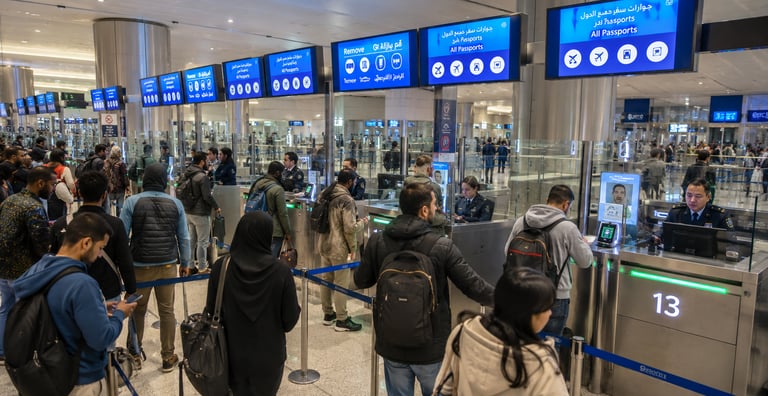
Immigration Changes 2026: Latest Visa Updates for Pakistani Applicants
Introduction
If you are planning to study, work, visit family, start a business, or travel abroad in 2026, understanding the latest immigration changes is more important than ever. Many countries have updated their visa policies to improve border security, introduce digital services, reduce processing delays, and attract skilled workers and international students. These changes can affect everything from eligibility requirements and document preparation to visa processing times and interview procedures.
For Pakistani applicants, staying informed before submitting a visa application can help avoid unnecessary delays or refusals. Immigration rules are not the same for every country, and requirements may change throughout the year. Knowing what has changed in 2026 allows you to prepare stronger applications and submit accurate documentation.
This guide explains the major immigration updates expected in 2026, how they may affect Pakistani travelers, and what applicants should do before applying. Whether you are applying for a tourist visa, student visa, work permit, family visa, or permanent residence pathway, this article will help you understand the latest trends in global immigration.
https://visaguidepk.net/first-time-international-travel-guide-for-pakistanis-2026
Why Immigration Rules Are Changing in 2026
Immigration policies continue to evolve as governments respond to changing economic needs, labor shortages, security concerns, technological developments, and increasing international travel.
Several common trends are shaping immigration policies worldwide in 2026:
Greater use of online visa application systems
Increased digital verification of documents
Stronger financial assessment for applicants
Faster biometric identification procedures
Improved border security measures
Higher demand for skilled professionals
Better fraud detection systems
Expansion of electronic visas (eVisas) in many countries
Instead of relying only on paper applications, many immigration authorities now encourage or require applicants to submit documents electronically. Digital processing helps reduce paperwork while improving application tracking and decision-making.
For Pakistani applicants, this means accuracy and document quality are becoming more important than ever.
Who Should Read This Guide?
This guide is useful for anyone in Pakistan planning international travel during 2026.
It is especially helpful for:
First-time visa applicants
Tourists planning holidays abroad
Students applying to international universities
Skilled professionals seeking overseas employment
Business travelers
Family sponsorship applicants
Permanent residence applicants
Digital nomads and remote workers
Individuals applying for immigration programs
Frequent international travelers
Even experienced travelers should review the latest immigration changes because requirements may differ from previous years.
How Immigration Changes Affect Pakistani Applicants
Pakistani passport holders often face additional document verification compared to applicants from visa-exempt countries. Because of this, even small immigration policy changes can influence visa approval chances.
Some examples include:
More detailed financial verification
Updated travel history assessment
Stronger background checks
Increased document authentication
Digital appointment systems
Electronic biometric scheduling
Enhanced identity verification
Preparing documents according to the latest requirements can significantly improve the application process.
Types of Visas Affected by Immigration Changes
Although every country has its own immigration laws, the latest updates generally affect almost every visa category.
Tourist Visa
Tourist visas remain one of the most popular visa categories for Pakistani travelers. Several countries are improving online application systems and introducing electronic travel authorizations where available.
Tourists may now be asked to provide stronger evidence of:
Hotel reservations
Return flight bookings
Travel itinerary
Financial stability
Employment or business ties
Student Visa
Many countries continue welcoming international students while strengthening document verification.
Applicants may need:
Genuine admission letters
Tuition payment proof
Updated financial evidence
Health insurance
Language test results (where required)
Some countries have also revised post-study work opportunities for graduates.
Work Visa
Countries facing labor shortages are expanding opportunities for skilled foreign workers.
Popular sectors include:
Healthcare
Engineering
Construction
Information Technology
Hospitality
Agriculture
Skilled trades
However, employer sponsorship requirements may become stricter in some destinations.
Business Visa
Business travelers may benefit from simplified online applications in several countries.
Typical requirements include:
Invitation letter
Business registration
Meeting schedule
Financial proof
Company documents
Family Visa
Family reunification remains an important immigration category.
Applicants may need:
Relationship proof
Sponsor documents
Financial support evidence
Accommodation details
Identity verification
Processing times vary significantly depending on the destination country.
Permanent Residence (PR)
Many countries continue updating skilled migration programs.
Common immigration pathways include:
Skilled worker programs
Employer-sponsored migration
Provincial or regional nomination programs
Family sponsorship
Investment immigration
Eligibility criteria may change during 2026 based on labor market needs.
https://visaguidepk.net/first-time-international-travel-guide-for-pakistanis-2026
Latest Immigration Trends Expected in 2026
Immigration systems around the world are becoming more advanced, secure, and technology-driven. Although visa rules differ from one country to another, several global immigration trends are expected to become more common in 2026. Understanding these changes can help Pakistani applicants prepare accurate and well-organized visa applications.
Digital Visa Applications
Many countries are replacing paper-based applications with online visa systems. Applicants can now complete forms, upload documents, pay visa fees, and track their application status through official online portals, making the process faster and more convenient.
Expansion of eVisa Programs
Electronic visas (eVisas) continue to expand worldwide. More countries are allowing eligible travelers to apply for visas online without visiting an embassy or visa application centre, simplifying the application process for short-term travel.
Stronger Financial Verification
Immigration authorities are placing greater emphasis on financial stability. Applicants may need to provide clear and genuine bank statements, proof of income, or sponsorship documents to demonstrate that they can cover their travel and living expenses.
Biometric Verification
Biometric identification has become a standard part of many visa applications. Fingerprints, digital photographs, and facial recognition technology are increasingly used to verify an applicant's identity and enhance border security.
AI-Powered Application Screening
Many immigration departments are adopting artificial intelligence (AI) to review applications more efficiently. AI systems help detect incomplete forms, verify supporting documents, and identify potential fraud, leading to quicker processing in many cases.
Enhanced Security Measures
Countries continue to strengthen border security by conducting more detailed background checks and identity verification. Applicants should ensure that all information provided is accurate, complete, and consistent.
Online Appointment Booking
Booking appointments for biometrics, document submission, or visa interviews has become easier through online scheduling systems. This allows applicants to choose available time slots and manage appointments more efficiently.
Digital Document Verification
Immigration authorities are increasingly verifying documents electronically instead of relying solely on paper copies. This helps reduce paperwork, improve accuracy, and speed up the overall visa application process.
Important: Immigration policies, visa requirements, and application procedures may change throughout 2026. Before applying, always check the latest updates on the official website of the embassy, consulate, or immigration authority of your destination country.
General Eligibility Requirements
Eligibility depends on the country and visa type, but most immigration authorities assess similar factors before approving a visa application.
Applicants are generally expected to have:
A Valid Passport
Your passport should usually remain valid for several months beyond your planned stay. Many countries also require blank pages for visa stamps.
Genuine Purpose of Travel
Clearly explain why you intend to travel.
Examples include:
Tourism
Education
Employment
Business meetings
Family visits
Immigration
Supporting documents should match your stated purpose.
Financial Stability
Applicants should demonstrate that they can afford:
Travel expenses
Accommodation
Daily living costs
Tuition (if applicable)
Emergency expenses
Financial documents should be recent and consistent.
Good Immigration History
Previous compliance with visa conditions can strengthen future applications.
Applicants should avoid:
Overstaying visas
Violating immigration laws
Providing false information
Good Character
Some countries require police clearance certificates or conduct background checks before granting certain visa categories.
Health Requirements
Long-term visas may require:
Medical examinations
Vaccination records
Health insurance
Tuberculosis screening (for certain destinations)
Requirements vary depending on the country.
Required Documents
The exact document requirements depend on the country and visa category, but most applicants are usually asked to submit the following documents:
Valid Passport
A valid passport is the most important travel document. Many countries require the passport to remain valid for several months beyond the intended stay.
Visa Application Form
Applicants must complete the official visa application form accurately and provide all required information.
Recent Passport Photographs
Most embassies require recent passport-size photographs that meet specific size and background requirements.
CNIC Copy
A copy of your Computerized National Identity Card (CNIC) may be required for identity verification.
Travel Itinerary
A travel itinerary helps explain your planned travel dates, destinations, and overall trip schedule.
Flight Reservation
Some visa categories require proof of intended travel dates through a flight reservation or booking.
Hotel Booking or Accommodation Proof
Applicants may need to provide hotel reservations or details of where they will stay during their visit.
Invitation Letter (If Applicable)
If you are visiting family, attending a business meeting, or receiving sponsorship, an invitation letter may be required.
Employment Letter
Employed applicants are often asked to provide an employment letter confirming their position, salary, and leave approval.
Salary Slips
Recent salary slips can help demonstrate regular income and financial stability.
Bank Statements
Bank statements are commonly required to prove that applicants can cover travel, accommodation, and living expenses.
Tax Documents (If Applicable)
Tax returns or income tax documents may be requested to verify financial status.
Student Documents
Students may need to provide admission letters, educational certificates, or enrollment confirmation.
Business Registration Documents
Business owners may be asked to submit company registration certificates, tax documents, or business records.
Marriage Certificate (If Applicable)
Applicants traveling with a spouse or applying under family categories may need to provide a marriage certificate.
Birth Certificate (If Applicable)
Birth certificates may be required for children or dependent visa applications.
Police Clearance Certificate
Certain countries require a police character certificate, especially for long-term visas, work permits, or immigration programs.
Medical Reports
Medical examinations or health certificates may be necessary for selected visa categories.
Travel Insurance
Some destinations require valid travel insurance that covers medical emergencies, hospitalization, and other travel-related risks.
Tips for Preparing Your Documents
Before submitting your application:
Ensure all documents are genuine and up to date.
Check that names and passport details match across every document.
Translate documents into the required language if requested.
Keep scanned copies of all paperwork for future reference.
Organize documents in the order specified by the relevant embassy or visa application centre.
Avoid submitting altered, incomplete, or misleading information, as this may result in delays or visa refusal.
Step-by-Step Visa Application Process (2026)
Although every country has its own immigration system, most visa applications follow a similar process. Understanding each stage helps Pakistani applicants avoid unnecessary delays and improves the chances of submitting a complete application.
Step 1: Choose the Correct Visa Category
Before preparing any documents, identify the visa type that matches the purpose of your travel.
Common visa categories include:
Tourist Visa
Student Visa
Work Visa
Business Visa
Family Visit Visa
Permanent Residence
Transit Visa
Medical Visa
Applying under the wrong visa category may result in delays or refusal.
Step 2: Review the Latest Immigration Requirements
Immigration rules can change during the year. Before starting your application, carefully review the latest requirements issued by the immigration authority of your destination country.
Pay special attention to:
Eligibility criteria
Required documents
Passport validity
Photograph specifications
Financial requirements
Processing times
Biometrics requirements
Using outdated information may lead to an incomplete application.
Step 3: Gather All Required Documents
Collect every required document before completing the application form.
A well-prepared application file usually includes:
Valid passport
Completed visa application form
Passport-sized photographs
CNIC copy
Flight reservation (if required)
Hotel booking or accommodation details
Bank statements
Employment or business documents
Invitation letter (if applicable)
Educational documents (for students)
Travel insurance (where required)
Double-check that every document is clear, accurate, and up to date.
Step 4: Complete the Visa Application Form
Fill out the application form carefully.
Provide accurate information about:
Personal details
Passport information
Travel history
Employment
Education
Family information
Purpose of travel
Planned travel dates
Never leave mandatory sections blank or provide false information.
Step 5: Pay the Visa Fee
After completing the application, applicants are generally required to pay the applicable visa fee.
Payment methods vary depending on the country and may include:
Online payment
Bank deposit
Credit or debit card
Visa application centre payment
Keep the payment receipt safely, as it may be requested during the application process.
Step 6: Book an Appointment
Many embassies and visa application centres require applicants to schedule an appointment before submitting their documents.
Appointments may be needed for:
Document submission
Biometrics
Interview
Passport collection
During busy travel seasons, appointment slots may fill quickly, so book early whenever possible.
Step 7: Submit Your Application
Attend your appointment on time with all required documents.
During submission, staff may:
Verify your documents
Collect biometric information
Check your passport
Review your application form
Accept supporting documents
Some countries allow applications through authorized visa application centres, while others require direct submission to the embassy or consulate.
Step 8: Complete Biometrics
Many countries require biometric enrollment as part of the visa process.
This usually includes:
Fingerprint collection
Digital photograph
Electronic signature (where applicable)
Biometric information helps immigration authorities verify your identity and reduce the risk of fraud.
Step 9: Attend the Visa Interview (If Required)
Not every applicant is required to attend an interview. However, interviews are common for certain visa categories, especially long-term visas.
During the interview, you may be asked about:
Purpose of travel
Financial situation
Employment
Family ties
Previous international travel
Future plans
Accommodation arrangements
Answer every question honestly and confidently.
Step 10: Wait for the Decision
After submission, immigration authorities review your application.
They may:
Approve the visa
Request additional documents
Schedule another interview
Refuse the application
Avoid making non-refundable travel arrangements until your visa has been approved.
https://visaguidepk.net/first-time-international-travel-guide-for-pakistanis-2026
Visa Fees (2026)
Visa fees vary depending on the destination country, visa category, applicant's age, and the type of processing selected. Since immigration authorities may update their fee structures throughout the year, applicants should always confirm the latest charges before submitting their application.
Visa Application Fee
Every visa application requires an official application fee. The amount depends on the country you are applying to and the type of visa, such as tourist, student, work, or family visa.
Visa Application Centre Service Fee
If you submit your application through an authorized visa application centre, you may need to pay an additional service fee for processing and handling your documents.
Biometrics Fee
Many countries require applicants to provide fingerprints and a digital photograph. Depending on the destination, the biometrics fee may be included in the visa fee or charged separately.
Courier Service
Some visa application centres offer an optional courier service to deliver your passport safely after the application has been processed.
SMS or Email Notification Service
Applicants can often choose an optional tracking service that provides updates on their visa application through SMS or email.
Travel Insurance
Certain countries require valid travel insurance as part of the visa application. The cost depends on the destination, trip duration, applicant's age, and the level of coverage selected.
Medical Examination
Long-term visas, work permits, student visas, and immigration programs may require a medical examination conducted by an approved medical facility. The examination cost varies by country.
Document Translation
If your supporting documents are not in the required language, certified translations may be necessary. Translation fees depend on the number and type of documents.
Police Clearance Certificate
Some countries require a police clearance certificate for work visas, long-term stays, permanent residence, or family immigration applications. Applicants may need to pay a separate fee to obtain this document.
Important: Visa fees, service charges, exchange rates, and other application costs may change without prior notice. Before making any payment, always verify the latest fee structure on the official website of the embassy, consulate, or authorized visa application centre of your destination country.
Visa Processing Time
Processing times vary depending on the destination country, visa category, application volume, and whether additional checks are required.
Factors That May Affect Processing Time
Peak travel seasons
Public holidays
Security or background checks
Incomplete documentation
Additional document requests
High application volumes
Medical examinations
Administrative processing
Estimated Visa Processing Time (2026)
Visa processing times vary depending on the destination country, visa category, application volume, and the complexity of each case. While some applications are processed quickly, others may take several weeks or even months.
Tourist Visa
Tourist visa applications are generally processed within a few days to several weeks, depending on the country and seasonal demand.
Student Visa
Student visas usually require additional document verification and may take several weeks to a few months to process.
Work Visa
Work visa applications often involve employer verification and background checks, so processing can take several weeks to a few months.
Business Visa
Business visas are often processed more quickly, with many applications completed within a few days to several weeks, depending on the destination.
Family Visa
Family or dependent visa applications may require relationship verification and sponsor assessments, resulting in processing times of several weeks to several months.
Permanent Residence (PR)
Permanent residence applications usually involve detailed eligibility assessments and security checks. Processing may take several months or longer, depending on the immigration program and country.
Important: The processing times above are general estimates and may vary based on the destination country, visa category, application volume, public holidays, and individual circumstances. To avoid last-minute delays, it is recommended to apply well in advance of your planned travel date.
https://visaguidepk.net/first-time-international-travel-guide-for-pakistanis-2026
Financial Proof and Bank Statement Guidance
Financial documents are among the most closely reviewed parts of a visa application. Immigration officers want to see that applicants can support themselves during their stay and are financially stable.
Why Financial Proof Matters
A strong financial profile helps demonstrate that you can cover:
Accommodation
Daily living expenses
Transportation
Tuition fees (if applicable)
Emergency costs
Return travel
Common Financial Documents
Applicants may be asked to provide:
Personal bank statements
Salary slips
Employment letter
Income tax documents (if applicable)
Business registration and financial records
Sponsor's financial documents (if sponsored)
Scholarship letter (for students)
Bank Statement Tips for Pakistani Applicants
To strengthen your application:
Maintain a consistent account balance over several months.
Avoid large unexplained cash deposits shortly before applying.
Ensure the account activity reflects your declared income.
Submit recent bank statements if requested.
Keep supporting documents ready to explain significant transactions.
Use an account that belongs to you or an eligible sponsor, where permitted.
Immigration officers may compare your financial documents with your employment status, travel plans, and declared income.
If Someone Is Sponsoring Your Trip
Where sponsorship is allowed, the sponsor may need to provide:
Sponsorship letter
Proof of relationship (if applicable)
Bank statements
Employment or business documents
Identity documents
Proof of legal residence or citizenship (where applicable)
Always check whether your chosen visa category accepts sponsored financial support.
Travel Insurance Requirements
Travel insurance is mandatory for many destinations, while others recommend it even if it is not compulsory.
Insurance helps protect travelers against unexpected situations during their trip.
Coverage may include:
Emergency medical treatment
Hospitalization
Medical evacuation
Trip cancellation
Lost baggage
Flight delays
Personal liability (depending on the policy)
For some visa categories, proof of valid travel insurance must be submitted with the application.
Before purchasing a policy, confirm that it meets the destination country's minimum coverage requirements.
https://visaguidepk.net/first-time-international-travel-guide-for-pakistanis-2026
Biometrics and Interview Process
Biometric verification has become a standard requirement in many immigration systems. It helps confirm an applicant's identity and improves border security.
What Happens During Biometrics?
Applicants are usually required to provide:
Fingerprints
Digital photograph
Identity verification
The appointment is generally straightforward and takes only a short time, although waiting times may vary depending on the visa application centre.
Visa Interview Process
Some applicants, particularly those applying for long-term visas such as student, work, or family visas, may be invited for an interview.
The immigration officer may ask questions about:
Purpose of travel
Study or employment plans
Financial situation
Family background
Previous international travel
Accommodation arrangements
Future intentions after the visa expires
Tips for a Successful Interview
Arrive before your appointment time.
Dress neatly and professionally.
Carry original supporting documents.
Answer questions honestly and clearly.
Avoid giving conflicting information.
Stay calm and confident throughout the interview.
Do not submit false or misleading information.
A well-prepared applicant who provides accurate documents and consistent answers is generally in a stronger position during the assessment process.
Common Reasons for Visa Refusal
Receiving a visa refusal can be disappointing, but understanding the common reasons behind refusals can help you prepare a stronger application in the future. Immigration officers assess each application based on the documents provided, your travel purpose, financial situation, and whether you meet the requirements of the visa category.
Below are some of the most common reasons why visa applications from Pakistani applicants may be refused.
1. Incomplete Documentation
One of the most frequent reasons for refusal is submitting an incomplete application.
Examples include:
Missing bank statements
Unsigned application forms
Expired passport
Missing photographs
Incomplete travel itinerary
Missing employment or educational documents
Always review the document checklist before submitting your application.
2. Insufficient Financial Proof
Immigration officers must be satisfied that you can afford your trip without relying on unauthorized employment or public funds.
Applications may be questioned if:
Bank balances are too low.
Large unexplained deposits appear shortly before applying.
Income does not match account activity.
Financial documents are inconsistent.
Sponsorship documents are incomplete.
Providing genuine and well-documented financial evidence strengthens your application.
3. Unclear Purpose of Travel
Applicants should clearly explain why they wish to visit the destination country.
A weak application may include:
No detailed travel itinerary
Conflicting information
Missing hotel reservations
No invitation letter where required
Unclear travel plans
Your supporting documents should match the purpose of your visit.
4. Weak Ties to Pakistan
Immigration authorities often assess whether an applicant is likely to return home after the authorized stay.
Strong ties may include:
Permanent employment
Family responsibilities
Business ownership
Property ownership
Ongoing education
Providing evidence of these ties can help demonstrate your intention to return.
5. Previous Immigration Violations
Past immigration issues may affect future visa applications.
Examples include:
Visa overstays
Deportation
Working without authorization
Providing false information
Violating visa conditions
Always disclose previous travel history honestly if requested.
6. False or Misleading Documents
Submitting fake or altered documents is one of the most serious mistakes an applicant can make.
Examples include:
Fake bank statements
Forged employment letters
False invitation letters
Altered educational certificates
Incorrect travel history
Using fraudulent documents may result in visa refusal and could affect future immigration applications.
7. Poor Interview Performance
Where interviews are required, inconsistent or unclear answers may raise concerns.
Common interview mistakes include:
Contradicting information in the application
Not knowing basic details about the trip
Providing misleading answers
Appearing unprepared
Preparation and honesty are essential.
Practical Tips to Improve Approval Chances
Although no consultant or agency can guarantee a visa approval, careful preparation can significantly improve your chances.
Submit Genuine Documents
Ensure every document is authentic, accurate, and up to date.
Immigration authorities increasingly use digital verification systems to detect fraudulent information.
Apply Under the Correct Visa Category
Choose the visa that matches your actual purpose of travel.
Applying for a tourist visa when your intention is to work or study may lead to refusal.
Prepare Strong Financial Evidence
A well-maintained financial record shows that you can support yourself during your trip.
Try to:
Maintain regular banking activity.
Keep consistent income records.
Avoid sudden large cash deposits.
Submit complete financial documents.
Explain Your Travel Plans Clearly
Your itinerary should be realistic and well organized.
Include:
Travel dates
Accommodation details
Planned activities
Return plans
A clear travel plan demonstrates that your visit has a genuine purpose.
Double-Check Every Document
Before submitting your application, confirm that:
Names match across all documents.
Passport details are correct.
Dates are accurate.
Required signatures are included.
Copies are clear and readable.
Even small mistakes can delay processing.
Apply Early
Do not wait until the last minute.
Applying early gives you time to:
Gather documents
Correct errors
Respond to additional document requests
Schedule biometrics or interviews
Early preparation also reduces stress.
Follow Official Instructions
Every country has different immigration requirements.
Read the official guidance carefully and avoid relying on outdated or unofficial information.
https://visaguidepk.net/first-time-international-travel-guide-for-pakistanis-2026
Common Mistakes Pakistani Applicants Make
Many refusals are caused by avoidable mistakes rather than ineligibility. Learning from these common errors can help you prepare a stronger application.
Waiting Until the Last Minute
Many applicants begin collecting documents only a few days before applying, increasing the likelihood of missing important requirements.
Using Fake Documents
Attempting to strengthen an application with false bank statements, fake employment letters, or altered documents can have serious consequences.
Always provide genuine information.
Ignoring Document Checklists
Applicants sometimes assume that documents submitted for one country's visa will be accepted by another.
Each country has its own requirements.
Always follow the latest checklist for your destination.
Booking Non-Refundable Flights Too Early
Avoid purchasing expensive non-refundable airline tickets before receiving your visa unless specifically required.
Visa approval is never guaranteed.
Providing Inconsistent Information
Information provided in:
Application forms
Interview answers
Bank statements
Employment letters
should all be consistent.
Conflicting information may raise concerns during the assessment.
Not Explaining Previous Refusals
If you have previously been refused a visa, answer honestly if asked.
In many cases, previous refusals do not automatically prevent future approvals, provided the new application addresses earlier concerns.
Overlooking Passport Validity
Some applicants discover too late that their passport is close to expiry.
Many countries require passports to remain valid for several months beyond the intended period of stay.
Failing to Meet Health or Insurance Requirements
Long-term visas may require:
Medical examinations
Vaccination records
Approved health insurance
Check these requirements before submitting your application.
https://visaguidepk.net/first-time-international-travel-guide-for-pakistanis-2026
Latest Immigration Updates for 2026
Immigration policies continue to evolve throughout 2026. While the exact changes vary by country, several global trends are becoming more common.
Expansion of Digital Visa Systems
More countries are moving toward fully online visa applications, allowing applicants to submit forms, upload documents, and receive updates electronically.
Increased Use of Electronic Visas (eVisas)
Electronic visa systems continue to expand, making short-term travel easier for eligible applicants in many destinations.
Not every country offers eVisas, so always verify the available application method.
Stronger Financial Verification
Immigration authorities are placing greater emphasis on financial transparency.
Applicants should expect closer review of:
Bank statements
Income sources
Sponsorship documents
Employment records
Enhanced Security Screening
Many countries now use advanced technology to verify:
Identity
Travel history
Document authenticity
Background information
Providing accurate information is more important than ever.
Faster Digital Communication
Instead of sending paper letters, many immigration authorities now communicate through:
Online applicant portals
Email notifications
SMS updates (where available)
Applicants should regularly check their registered email address for updates.
Greater Demand for Skilled Workers
Several countries continue to adjust immigration programs to attract skilled professionals in sectors experiencing labor shortages.
Common industries include:
Healthcare
Engineering
Information Technology
Construction
Education
Agriculture
Hospitality
Eligibility requirements vary depending on the country and occupation.
Continued Focus on Genuine Applicants
Immigration authorities are strengthening efforts to identify fraudulent applications while improving processing for genuine travelers, students, workers, and families.
Applicants who submit complete and truthful information generally experience a smoother application process.
Important Advice Before You Apply
Before submitting any visa application in 2026, keep these recommendations in mind:
Read the latest official immigration guidance for your destination.
Ensure your passport is valid for the required period.
Prepare all supporting documents in advance.
Keep digital and printed copies of important documents.
Maintain consistent financial records.
Be honest throughout the application process.
Respond promptly if additional documents are requested.
Do not rely on rumors or unofficial social media advice.
Apply well before your intended travel date.
Review every document carefully before submission.
Important 2026 Notice: Immigration policies, visa fees, document requirements, processing times, and eligibility criteria can change without prior notice. Before applying, always verify the latest information through the official immigration website, embassy, or authorized visa application centre of your destination country.
https://visaguidepk.net/first-time-international-travel-guide-for-pakistanis-2026
Frequently asked questions
1. What are the biggest immigration changes in 2026?
Many countries have expanded digital visa systems, strengthened financial verification, improved biometric screening, and introduced faster online application processes. However, the exact changes vary by country, so applicants should always check the latest official immigration guidelines before applying.
2. Do immigration rules differ for each country?
Yes. Every country has its own visa policies, eligibility criteria, document requirements, fees, and processing times. Always follow the requirements of your destination country.
3. Can Pakistani applicants apply for visas online?
Many countries now offer online visa applications or eVisa systems for eligible travelers. Others still require applicants to submit documents through an embassy or an authorized visa application centre.
4. Is a bank statement required for every visa?
Not always, but many tourist, student, work, and family visas require financial proof to show that the applicant can cover travel and living expenses.
5. How much money should I show in my bank account?
There is no universal amount. The required balance depends on your destination, visa type, trip duration, and personal circumstances. Your financial documents should clearly support the purpose and length of your stay.
6. Is travel insurance mandatory?
Travel insurance is mandatory for some countries and optional for others. If it is required, ensure your policy meets the destination country's minimum coverage requirements.
7. Will I always need to attend a visa interview?
No. Some visa categories require interviews, while others may only require biometrics or document submission. Requirements depend on the destination country and visa type.
8. How long does visa processing usually take?
Processing times vary widely. Some visas are processed within days, while others may take several weeks or even months. Apply early to avoid last-minute travel issues.
9. Can a previous visa refusal affect future applications?
A previous refusal does not automatically prevent future approval. However, applicants should identify the reason for the refusal, correct any issues, and submit a stronger application next time.
10. Where can I check the latest immigration updates?
The most reliable source is the official immigration website, embassy, or authorized visa application centre of the country you plan to visit. Requirements can change during the year.
Final Conclusion
Immigration rules continue to evolve as countries modernize their visa systems, improve border security, and respond to changing economic and travel needs. For Pakistani applicants, staying informed about the latest immigration changes in 2026 is essential for preparing a complete and accurate visa application.
Whether you are planning a holiday, pursuing higher education, accepting a job abroad, joining family members, or applying for permanent residence, careful preparation can significantly improve your overall application experience. Gather genuine documents, maintain clear financial records, follow the latest official requirements, and apply well in advance of your planned travel date.
Most importantly, remember that immigration policies, visa fees, document requirements, and processing times can change without notice. Before submitting your application, always verify the latest information through the official immigration authority of your destination country. A well-prepared application supported by accurate documentation and honest information gives you the best chance of a smooth visa process.
https://visaguidepk.net/first-time-international-travel-guide-for-pakistanis-2026
Focus Keywords
Immigration Changes 2026
Latest Visa Updates 2026
Visa Rules 2026
Immigration News 2026
Visa Requirements 2026
Pakistani Visa Guide
Immigration Policy Updates
Visa Application Process
Travel Visa Guide 2026
Immigration Tips for Pakistanis